Guide
A first order from China goes well when four things are done before the money leaves: a written specification, a supplier you have checked, an approved sample, and a contract that ties the balance payment to an inspection. This checklist follows the order of a real purchase, from the first quote to the goods arriving, with what to check at each step.
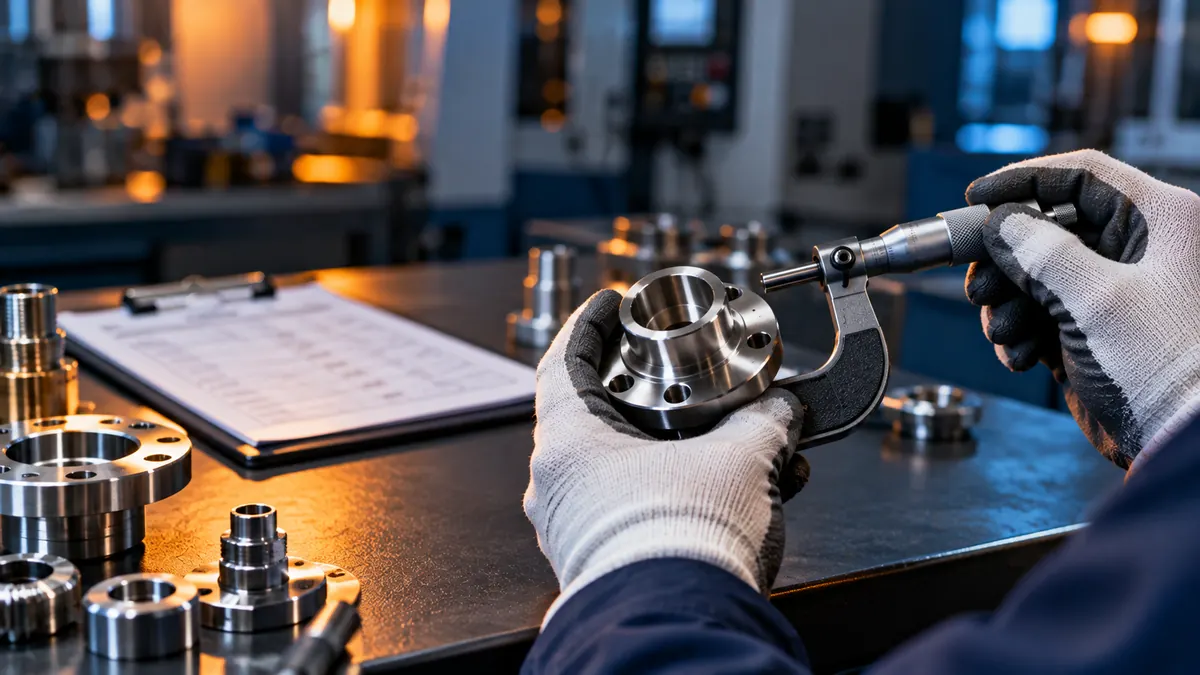
Most disputes with a new supplier start with a vague request. Before asking for quotes, put in writing:
The same document becomes your inspection checklist later.
Common routes are B2B marketplaces such as Alibaba, Made-in-China and Global Sources, the Canton Fair in Guangzhou (held twice a year, in spring and autumn), industry fairs, and referrals. Ask several suppliers for quotes against the same specification so you can compare. A price far below the others usually means a different material, a thinner part or a trading company buying from the cheapest workshop.
Check that the company is registered and active, that it actually makes your product, and that the bank account on the invoice belongs to the company you sign with. How to check a Chinese supplier before paying a deposit. For a first order of any size, a factory audit tells you whether the factory exists at the stated address and can make your product.
Pay for samples if needed. Test them in your own conditions, then keep one signed or sealed sample as the reference: the "golden sample". The bulk order is inspected against it. If the product needs a new mould, agree in writing who owns the mould and check it before it is used. Mould acceptance.
With a new supplier, try to keep part of the payment until after a satisfactory pre-shipment inspection, for example 30% deposit and 70% after inspection. Pay only to the company account named in the contract. Treat any change of bank details announced by email as suspect until confirmed by phone or video call with a contact you already know. On Alibaba, payment through the platform's Trade Assurance adds a layer of protection.
For a first order, or a new product, a during-production inspection catches problems while they can still be corrected, usually once the first part of the order has been produced. Ask the supplier for production photos and a confirmed shipment date.
A pre-shipment inspection is booked when production is finished and most of the goods are packed. The inspector draws a random sample, checks it against your specification and sample, measures, tests and photographs, and sends a report. If the lot fails, the supplier reworks or sorts it and it is inspected again before you pay. What a pre-shipment inspection costs · Defect sorting after a failed inspection.
A freight forwarder books the transport. You will need the commercial invoice, packing list and bill of lading, and sometimes a certificate of origin or test reports. Import duties and rules depend on your country and the product's tariff code: ask a customs broker before you order, not when the goods arrive.
Factories slow down before and stop for several weeks around Chinese New Year, which falls on 6 February 2027. National Day in the first week of October is another week-long holiday. Orders placed late are rushed before the break or delayed after it. Chinese New Year 2027: factory calendar and quality risks.
We check up to three candidate suppliers free of charge for a new client, then audit the one you shortlist and inspect the goods before shipment. $240 per inspector-day, all inclusive anywhere in mainland China, report within 24 hours. For a first job, you pay after you receive the report. Supplier verification · Factory audit and inspection · Ask us a question.
Tell us what you need. We typically reply within one business day.
